According to Gartner, 73% of B2B buyers actively avoid suppliers who send irrelevant outreach. That tells us two things. One, personalization is prolific. Many teams are trialing different plays and finding varying degrees of success. Two, personalization is a risky play. Get it wrong, and you might actually do more harm than good. So what does it actually look like to show up in a way that earns a buyer’s attention?
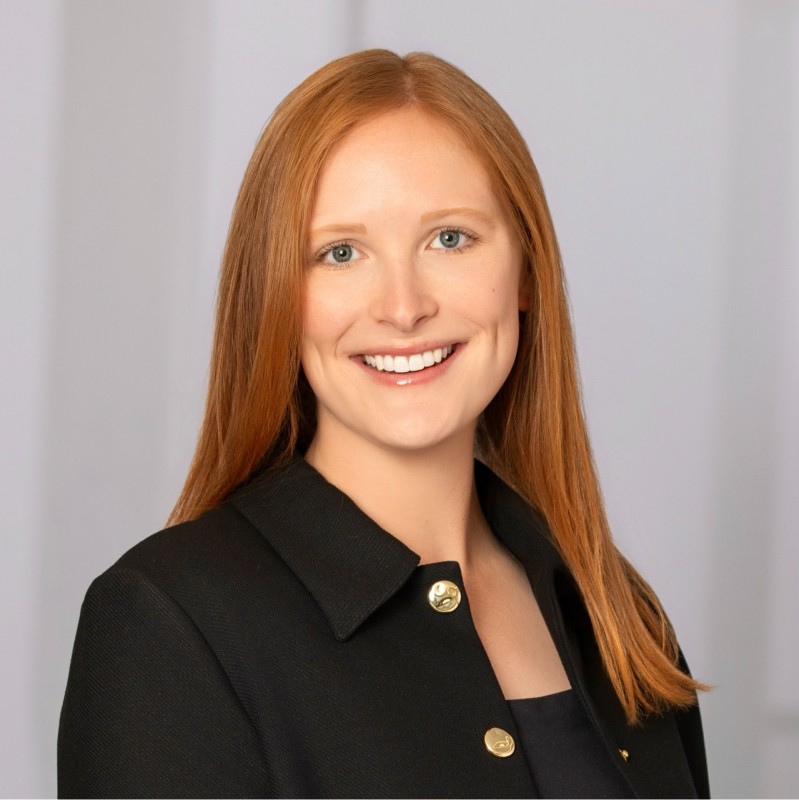
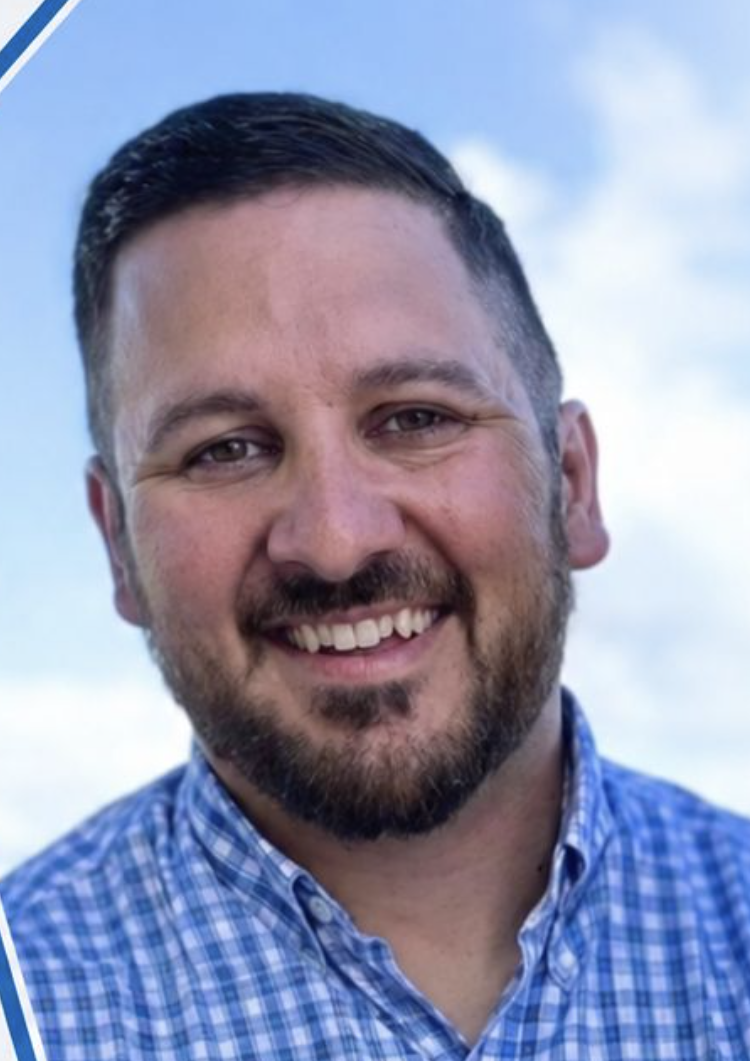
Riley Rogers: Welcome to the Win/Win Podcast. I’m your host, Riley Rogers. Join us as we dive into changing trends in the workplace and how to navigate them successfully. Here to discuss this topic are Molly Donlon, sales activation manager, and Tommy Dauphin, senior account executive at Paylocity.
Thank you so much for joining us, both of you. I’m super excited to dive into all of the fun and unconventional ways that you guys are capturing attention, driving engagement, and tackling the beast that is today’s modern buyer. Could you help me kick things off? Just tell me a little bit about yourself, and Molly, I’ll kick it over to you.
Molly Donlon: Tommy would have insisted that I start anyway because he’s a gentleman from the South. So I started out in sales as a business development representative in my corporate career, and I actually used Highspot as a BDR. I stayed in sales for three and a half, almost four years, and then fell in love with the strategy behind sales, and especially personalization.
I almost felt like an investigator, where I could go and do the research and find something that told me that this person actually would benefit from what we are providing, and then explain how I made that connection. So I decided to help my teammates and my colleagues within sales, rather than put that into practice with clients.
It’s been an amazing company and a great journey.
RR: Amazing. Well, I’m super interested to hear more about the buyer engagement private investigator lifestyle. Before we do, Tommy, I’ll kick it over to you.
Tommy Dauphin: Excellent. Thank you so much, Riley. And, Molly, you are absolutely correct. I was not going first on that one.
You were definitely gonna get the first intro there. So Tommy Dauphin here from South Louisiana. Been at Paylocity, it’ll actually make eight years next month. And then before that, I worked at Cintas for 10 years, primarily on the operations side. Paylocity was my first outside sales job. So not only did I have to learn the world of sales, but also the world of HR tech, and all of the things in between.
So it’s been quite the journey, but like Molly said, fantastic place to be, and very excited to be here today.
RR: Well, I’m looking forward to learning more about everything happening at Paylocity right now. And Molly, I’d love to start with you. You mentioned that one of the things that you loved was doing your own research, and it sounds like it’s not just sellers that are doing their research, it’s also buyers.
So when buyers are learning, researching, Googling before they ever talk to a seller, how do you actually get their attention?
MD: In a Forbes article, it said that about six in 10 B2B buyers prefer to go through most of the buying process without a sales rep intervening. And HRIS, human resources information system, what we sell, is very complicated, and it has an impact on the whole company.
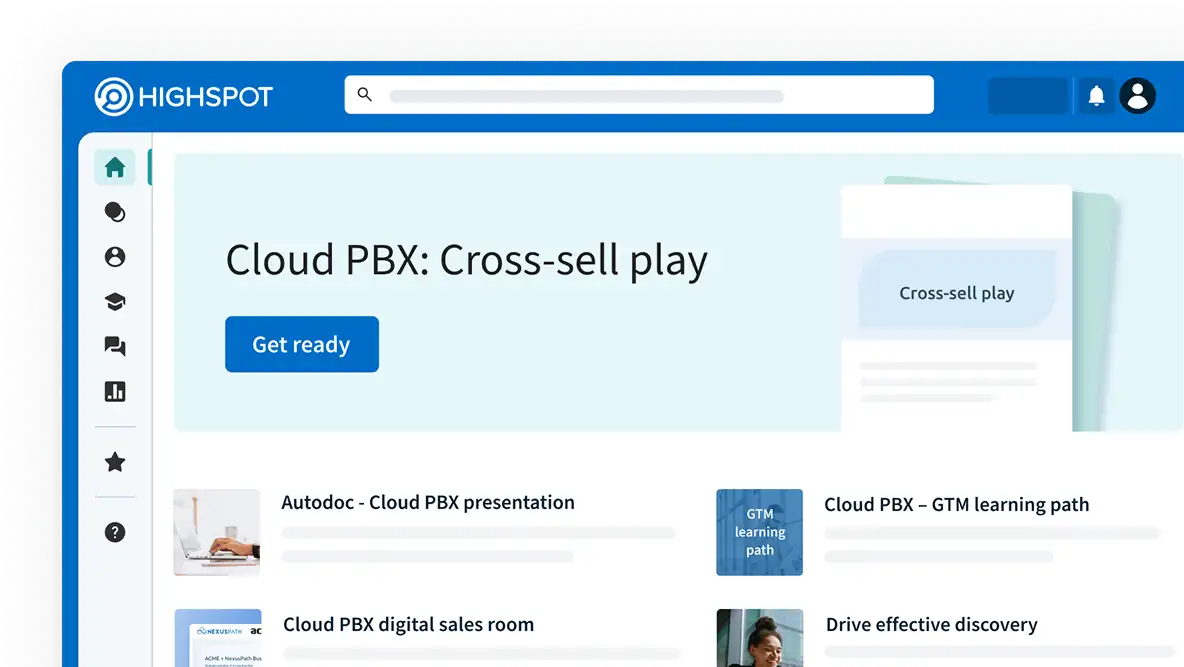
So I find it hard to believe that sales reps will be completely free of participation in the sales process. But I do think we should be leaning into the behaviors and the desires that we’re hearing from buyers. They want to see all of the information available, and that’s why we’ve had such great success with Digital Rooms, for example. The best way to accommodate this behavior is here are the trustworthy resources, so that we can meet you when you’re ready to talk to someone.
RR: Okay, so you mentioned needing to create a place where when buyers are researching, they land in a location where they get everything they need, the right messaging that you want them to have, and that then leads them to an actual person that can then usher them through that back half of the sales cycle, or whatever point they reach you. Tommy, I know that you have more than a handful of creative tactics for those get your foot in the door moments.
So how do you make a meaningful impression before the conversation starts?
TD: I think the number one piece is providing value in every step of the way. In every interaction, there’s gotta be something that I’m bringing to the table, and me showing up and dropping off a business card or a pamphlet or a brochure or something is not cutting it.
You have to do more than that. And it’s also a situation where not every person knows how to go through a buying process, because sometimes I’m talking to people who have evaluated their process every 18 months, every two years. But every once in a while, you run into that person who’s said, “We’ve been with our current provider for the last decade.”
Well, a lot has changed in the last decade in the world of HRIS, so not only do you have to learn how to buy this product, but you have to then compare, contrast, and figure out the differences, and it can get confusing. The waters get muddy. Everyone starts to look and sound the same, and we have the phrase internally of the sea of sameness.
We don’t wanna fall into that trap. So we really do try to differentiate ourselves right off the bat, and one of the ways that I do it is I like to drop off fudge, chocolate peanut butter fudge. And yes, it is something that I make myself. This is a recipe my mom’s been making for over 40 years, and I’ve been making it for seven and a half years.
My tactic has changed over the years, pre-Highspot and post-Highspot, because before I didn’t have a good way of getting the information to the prospect about the recipe. But now I do. So what I have done is I have branded a QR code that takes the prospect to the recipe, and it’s housed in Highspot.
So I can see who and when they click it. If I wanted to make it unique URLs, I could do that. But also, I can see when they’re accessing it, and then for how long they looked at it. So when I go to drop it, and number one, I always drop to the receptionist as well as to the prospect, before I get to my truck, I get an email saying that recipe has been scanned.
I feel like I’m gonna be getting at least some sort of phone call back or return email for me to be able to have that additional conversation. Not having a tool like Highspot, I couldn’t do that before. It wasn’t nearly as easy. Now it’s a plug-and-play thing, and I’m rocking and rolling with it week in and week out.
RR: I still can’t get over that approach. It’s so good, and it is so unique. I can’t imagine that there is anybody else that does that, and that is exactly why you get out to the parking lot, and already you’ve got someone on the line going, “Who is this?” Or, “You know what? I’ll take a call.” So I love that strategy.
And I also love the call out to engagement data, of how you’re using that to intuit what’s happening in the mind of your buyer or in the mind of your prospect. So when a buyer engages with something that you’ve sent them, whether that is a fudge recipe or a brochure or whatever the case may be, what does that tell you?
And then how do you use that to decide what to do next in a deal?
TD: Number one, all I’m looking for is them to engage. Whether they like the fudge, they don’t like the fudge, they’re diabetic, or whatever the case may be, it sparks a conversation, and I’ve actually changed my process with that over the years.
I used to drop the fudge, and then I would say, “If you want the recipe, just email me.” Well, no one willingly emails a sales rep. So it is definitely one of those things where I had to adjust. Now I can do my outreach. I can call, I can email, I can even text if I do have a cell phone number or something like that. And number one, I just wanna make sure they got it. Did they enjoy it?
And then number two, if I find out too, because I’ve gotten this before, “Oh, sorry, I’m allergic. I can’t have peanuts or anything like that,” well, now I’m coming with one of the other drops that I have that is not food related. It gives me access and ability to have a conversation, be unique from the jump, and then after that, that’s when we bring in Digital Rooms or a brochure that we have tied to Highspot or something like that, where then I can interact with them in a more professional manner, talking about the products and services that we offer.
It gives me the ability to adjust on the fly and do it from my phone if I need to, do it from a computer or an iPad, and it gives me the flexibility to build something specific for them. It’s not just the generic everyone gets the same response, and hopefully something sticks. I can have that personalization that you talked about at the beginning of the episode.
RR: I love that, and I’m really curious too. So we’ve heard a little bit of the individual approach, of the very unique thing that you do, because I can’t imagine that every single rep at Paylocity is roaming around the continental US with fudge in their truck.
Molly, I’d love if you could tell me a little bit about how you’re thinking about doing this at scale. What does your process look like for building something that you think, A, sellers will use, and that, B, buyers will go, “Hmm, maybe I should actually look into that”?
MD: And one of the great things about Paylocity is our sales reps are gritty. And like Tommy was hinting at earlier, he tested the fudge approach. It’s the same with the Digital Room templates that we build. We know that when we put a Digital Room template out there, our reps are going to want to test that out.
One thing that I always try to keep in mind, and when I first came into the HR and HCM space, it sort of shocked me, and I was confused when I saw all of the AEs, when they were creating their Digital Rooms, they had pictures of their families and their dogs or their pets, but mostly their kids, and a bio about, “Here’s who I am, here’s what I love to do.”
Sort of humanizing, because at that point we might not know much about the prospect or the client, but we can start that conversation by opening it up and telling them about ourselves personally and as a company. One common theme I see across all of our sales win stories, when I ask the sales reps, “How did you win? Why did they pick us?” It’s almost always the client comes back and says, “You were the only one who was transparent with me about what you can and can’t do. You were the one who treated me like a human. You had real conversations with me.”
So I think finding the wins and the strategies, like what Tommy’s doing, and then finding ways to share that across the broader organization, that’s the best part of my job, and it makes it really easy when you have a vehicle like a Digital Room.
RR: You mentioned being in touch with your sales teams and hearing about what works. What are you kind of seeing in addition to that human element of, “I’m showcasing that I’m a person in this world”? What else are you seeing that’s compelling to buyers today?
MD: Yeah. It’s in a TikTok world, and as a TikTok girl, I can confirm that videos are in high demand these days. And Paylocity in the past has historically been seen as kind of an underdog.
We don’t have a famous actor with our logo promoting our brand. We haven’t had our name on a golf polo. We’ve been investing that money into our product and our people. And so when a prospect sees the platform, they’re shocked, and they learn that we’re all US-based, the customer service and everything.
So I think that that’s one of the trends I’ve seen, is we’re leaning really heavily toward video content, showing who we are and painting a picture, telling a story.
RR: So it’s almost just a double-down on that human element, of there is a face to a name, to a company, and I can associate all of these things about a brand with somebody who can speak to me, ask me how my day is. That’s super interesting, and I love how much you’re leaning into that.
One thing that has been very clear throughout this whole conversation is that sales and enablement have a very strong feedback loop. You guys are having the conversation of what’s working, what’s not, and you’re iterating together to make sure that you can drive the business forward. So Molly, I’d love to hear from you first on how you stay in sync with sales.
MD: This is one thing that is easy to lose a grip on. As anyone in enablement knows, you are getting a to-do list from the VPs, from your director, from the sales leaders, from sales reps who are telling you different things.
Honestly, I consider myself to be in a good place, in that so many reps especially reach out, because they say, “Well, Molly will help, or at least she’ll try.” And unless I worked the weekends, I don’t think I could do every single thing that they ask. But I try to let them know, “I hear you most of the time. 99% of the time I agree with you, and I want to find a way to make that work.”
It can be difficult to remember, “Oh wow, I haven’t checked in on my best friend in sales in a long time, Tommy. I wonder how he’s doing.” It’s sort of just like having a client who you want to go back and ask to be a reference. And I will absolutely help Tommy with something, and I know that when I need feedback on something, Tommy will be there because I have helped him launch his idea, or I’ve told his story across the organization.
So to say it’s quid pro quo would be bad, and I’m not accepting bribes, although that would be nice. But the more you can communicate and help the field, the more they are willing to help you.
RR: And I really like the idea of reciprocity, of I’m here in service of your work, and in order for me to do my job well, you gotta give me a hand. Because when I perform well, you perform well. It’s a good rule to live by, and I would be curious, Tommy, from the sales perspective, how that kind of plays out for you.
TD: So I got two thoughts here. Number one, I think it’s pretty special to be at a place where the days of, “What are the people at corporate thinking? This is not how the real world works,” those have not been here for a very, very long time, if ever at all. I think our enablement team and our sales team do work very closely hand-in-hand to be able to come up with a good game plan that people do enjoy and use, and it makes sense and it works.
The second piece to that is, as I think Mike Tyson made this quote famous, “Everyone has a good plan until they get punched in the face.” Enablement can have a great plan, sales can have a great plan to execute it and roll it out, and then something happens, and then it doesn’t work. Well, rather than just saying, “Well, that’s the plan we came up with. Good luck,” we have done a really good job of pivoting and saying, “Well, okay, let’s shift and let’s go this direction,” or whatever the case may be.
And I think that only happens when you have an open line of communication from the field to enablement and vice versa, because you have to be able to adjust. You have to be able to pivot, and to be able to say, “Okay, that didn’t work. Let’s go do this now.” In fact, in preparation for this conversation, Molly and I were actually just spitballing, and it had been a few weeks since we had connected, and she mentioned something that we’re gonna be doing in the next quarter, and I’m like, “Oh, wait, I have a solution for that.”
So the people doing the actual job of day-to-day stuff and the people who are building things to help, I think, have to have a relatively regular conversation to be able to say, “Let’s make this whole thing work together.”
RR: As both of you were answering this question, I think it became very apparent to me why at the very outset the thing that both of you reiterated was that Paylocity is a great company with great people, because it certainly sounds like it, that you have this willingness on both sides of the field to iterate, to collaborate, to figure it out together, and when something isn’t working, to be like, “It’s you and me against a problem.”
But back on track. Molly, we heard a little bit about how you’ve built really strong partnerships with field teams. As you’ve driven usage of the materials you’re building, how has that improved or impacted your sellers’ ability to reach buyers, and what impact have you seen that have on those big outcomes?
MD: It’s been incredible to see Digital Rooms take off at Paylocity. It’s a culture of collaboration. Word of mouth spreads like none other. It’s wonderful to see the RVPs, the regional VPs, the directors in one region find out about something that a rep over here is doing that’s working really well, especially with Digital Rooms.
They bring them onto their calls without any intervention from me, I might add. Sometimes I don’t even know that this is happening because the communication between the leaders is so strong. They’re sharing these stories, and then having a rep come on to the call and talk to other reps and having that credibility as someone in the field is incredibly impactful.
When they see how their colleagues are able to break through the noise and use Digital Rooms to re-engage people who kind of fell off, “Sorry, I was busy. I wasn’t able to really engage with you, but now I have more time. This is extremely helpful as a resource,” that kind of thing, we have just seen a great impact.
And as a result, I think in the past month, there have been almost 700 Digital Rooms sent in, just in the segment that Tommy and I are in. That, I think, is proof in and of itself that word of mouth has caught on like wildfire.
RR: Tommy, curious from your perspective, how has the addition of Digital Rooms changed the way that you engage with buyers, and what has that meant for your results?
TD: It has completely changed the way that I run my initial meeting. So years ago, when I started here, we had a PowerPoint presentation that we would typically bring to the first meeting, and it was discussing the story of Paylocity, the background of who we are, walking through what customer service looks like, and then we would get into finding out information that the prospect was willing to share with us and try to uncover what their needs are immediately so then we can figure out what the next steps need to be, whether it’s gonna be a full-on discovery conversation, whether it’s gonna be a demonstration of the product, and so forth and so on to discuss pricing and implementation and all of those things.
Now that we have Digital Rooms, one of the things that I’ve been able to do is I have a standard template. So now I have this template that I use in literally every conversation, whether it’s a prospect, whether it’s a partner, center of influence, whatever the case may be, because I built this template based off of templates that Molly had created. I just kinda picked and chose the things that I liked about them, and then I made my own custom one, and now I have something that I can run an entire meeting, and no matter where the prospect wants to go, I have a part of the room that has the information that I need.
I don’t have to have a 90-slide PowerPoint that I then remember, “Oh, they asked a 401k question? Well, that’s slide 76. Let me hurry up and click, click, click, click, click to get to where I need to be,” and then now I have… I can show them what I want. This is a page that’s completely customizable and buildable, so now, hey, I kinda let the prospect lead the conversation.
At some point, you as a sales professional have to say, “Mr. or Mrs. Prospect, what matters to you? Let’s have that conversation.” But if you don’t have a tool where you can change and navigate in real time, it’s kinda hard to do that. So now that we have Digital Rooms, it opens it up so much to be able to say, “Okay, they wanna talk about X, Y, or Z topic. I know exactly where to go,” click, click, click.
Now I’m showing you exactly what you want, and the conversation is much more impactful because you’re cutting through, as y’all said earlier, cutting through the noise to get down to exactly what they wanna talk about, and it allows you to have that conversation with maybe the HR person, but yet the CFO walks into the conversation. I’m still in the same room, and now I’m talking about things that the CFO cares about that the HR person didn’t even ask me about.
So I don’t have to create new things after every conversation, and then, oh, by the way, I simply launch the room to them after the meeting. They’ve already seen it. They’re in the room, in the meeting, and now they can just re-access the same information. My click rates have gone through the roof now that I bring the room up at the beginning of the meeting and show them the room, rather than it’s an afterthought. “Oh, hey, by the way, as a recap, I’ll send you this room.” “Okay, cool, thanks, bye,” right? Now that is the meeting. It is the whole thing that we are going through, and it’s completely changed how I do it.
RR: It’s super interesting, and I love that you took that in the direction of orienting the meeting, because a lot of what we were talking about initially was how does it allow buyers to do their own research. But then you’re taking it also as once they finally engage with you, it’s still that tool to keep them engaged, informed, in the loop, and then also keeping you in the loop on what they’re looking at, what they’re interested in, so then that next conversation is that much more targeted towards their interests.
So again, you don’t necessarily have to ask, “Hey, Mr. or Mrs. Prospect,” because you know what they’re doing. So I love that full life cycle perspective you just gave me there. For any of our listeners that are tuning in and are like, “I wanna do this. How do I build these relationships with my sales team? How do I build a strong buyer engagement program?” What advice would you give?
MD: For me, every day I learn something new. Every day I improve as a sales enablement manager, and what my recommendation would be is to start small. Just reach out to one rep, and don’t blast a handful of them.
I think it goes back to personalization and customization and reaching out thoughtfully and starting to build those connections and build the trust. The most important thing is to act on the feedback and ideas that they have, because it can be really defeating when a rep brings an idea or feedback to you and you say, “Thanks,” and then it is never reflected in the work.
So it really starts on a very small level, helping when you can and building trust.
RR: Tommy, I’d be curious your take.
TD: Yeah, I echo what Molly said. I think a lot of it has to do with who you start with and how that initial interaction goes. I’m not saying you need to start with the top salesperson in your organization, but start with someone maybe in the top 10 and get feedback from them on a specific thing, and then roll out any changes that can be made or should be made.
And then that, like Molly said, that’s gonna spread like wildfire. “Hey, I was part of this pilot program. We came up with this idea. We’re rolling this out. Now it’s a national thing.” Number one, that’s an incredible amount of buy-in that you’re gonna get from those top performers. The reality is a good sales enablement team and sales rep team relationship benefits everybody.
So I think there’s a mix there. It will take time, and it will take the ability to gather the feedback and opinions of a few and then roll out to the masses. So I think if you can show from an enablement side that you genuinely care, and you from a sales side genuinely want this to do better, then everyone’s gonna find common ground and find the solution that will work in that moment.
RR: One of my favorite things about the podcast and getting to have these conversations with folks like you guys is hearing that it’s just good people doing good work with the best of intentions for each other. I think that’s what you always hope to encounter, the workplace you always want to be in.
So I love hearing a little bit about how it’s showing up for you both at Paylocity, and I really appreciate the reminder that just be a person. Go-to-market doesn’t need to be this rigid thing. If you can show up as a human being, that’s gonna be more compelling than anything else you can do. So Molly, Tommy, thank you so much for the great advice, the great reminders. It has been really wonderful to learn from you both.
MD: Thank you so much for having us.
TD: Thank you, Riley. It’s been wonderful.
RR: To our audience, thank you for listening to this episode of the Win/Win Podcast. Be sure to tune in next time for more insights on how you can maximize enablement success with Highspot.